Turns Out This Old Trick Removes Microplastics From Drinking Water!
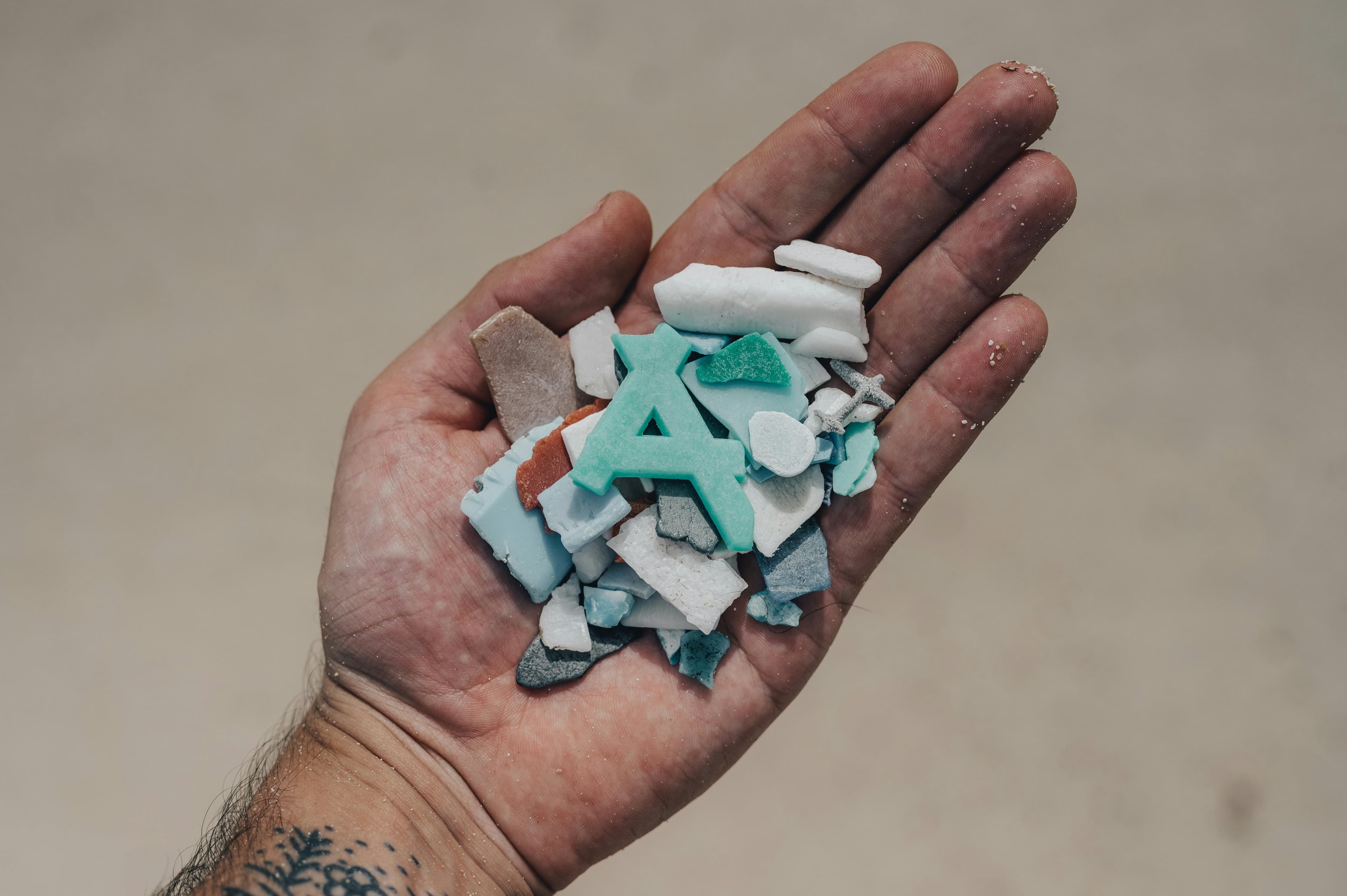
Microplastics have become a worrying trend this past decade. Scientists estimate these 5mm long fragments of artificial polymers are everywhere: from your gut, bloodstream and even your brain!

Turns Out This Old Trick Removes Microplastics From Drinking Water!
Microplastics have become a worrying trend this past decade. Scientists estimate these 5mm long fragments of artificial polymers are everywhere: from your gut, bloodstream and even your brain!
And the scary part? Plastic never goes away, it just breaks down into smaller and smaller fragments.
However, a team at China is shedding light on new hope, of a technique that could reduce the microplastics in your drinking water by up to 90%.
What’s The Deal With Microplastics?
Scientists estimate 10 to 40 million metric tons of these microplastics are released into the environment yearly, and this shocking number could double by 2040.
According to the Stanford Report, it is estimated that the average adult swallows a credit card sized amount of microplastics every week!
Where Do They Come From?
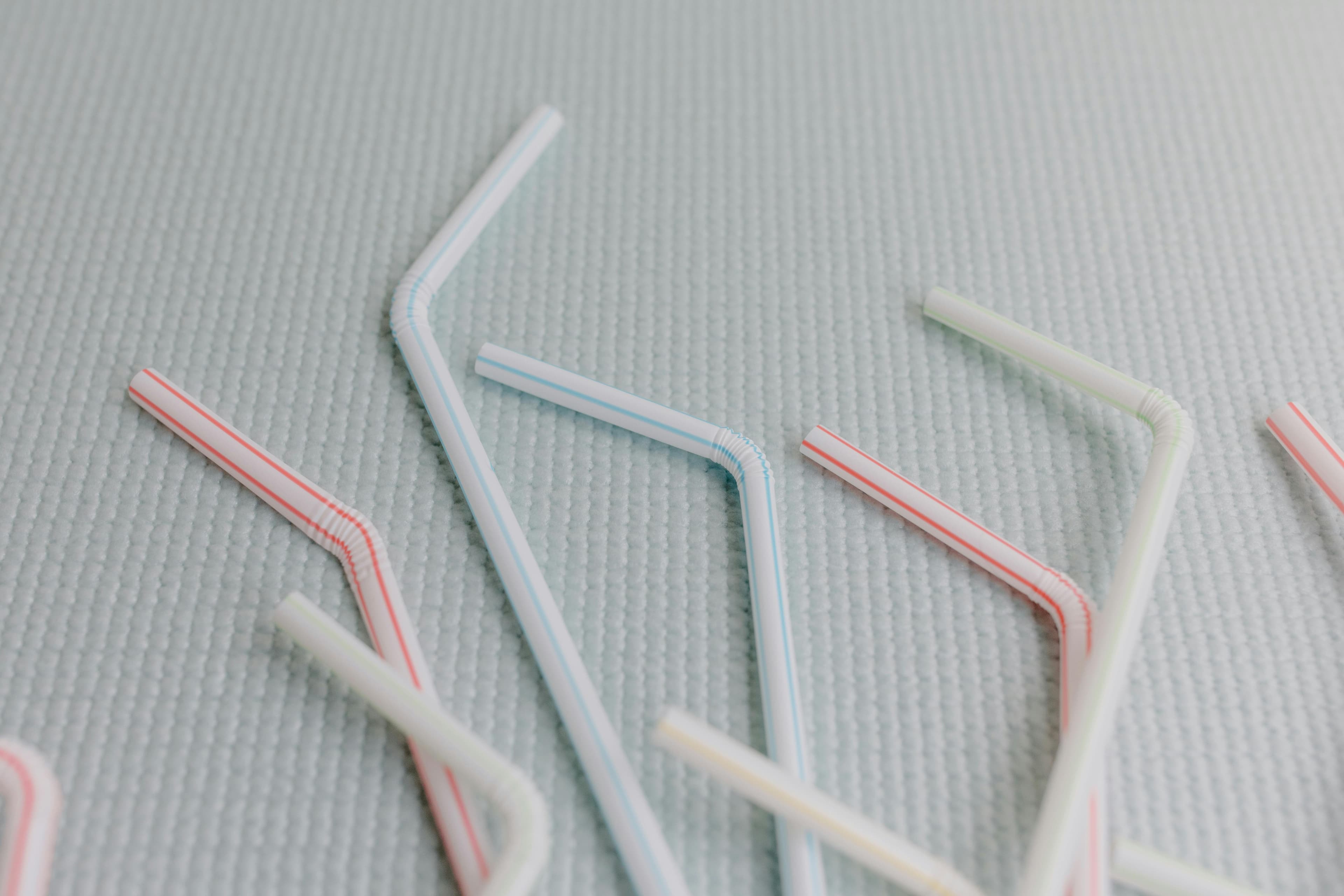
Most micro-plastics come from larger plastic items that break down over time, while some are added directly to products we use such as paint, cleansers, and toothpastes.
A lack of proper regulations and oversights in many of these associated industries is to blame, and consumers are taking the full brunt of this microplastic epidemic!

What They Found Microplastics Did To Living Beings
Studies in animals and human cells suggest microplastics exposure could be linked to:
cancer
heart attacks
reproductive problems
vulnerability to infections
inflammation
impaired immune system
deteriorated tissues
Reduced metabolic function
abnormal organ development
cell damage

The Silver Lining
Researchers in China reveal that the simple act of boiling water can be an effective way to remove microplastics from the liquid.
When microplastic infested water is boiled, naturally occurring minerals like form crystals and trap microplastic particles, causing them to precipitate (reduce into liquid form).