Why Caffeine Late in the Day Hurts Your Sleep
Caffeine stays active in your system for hours. Even when you no longer feel alert, the compound is still affecting the brain. This is why late day caffeine can quietly damage your sleep without you noticing.

Why Caffeine Late in the Day Hurts Your Sleep
Caffeine stays active in your system for hours. Even when you no longer feel alert, the compound is still affecting the brain. This is why late day caffeine can quietly damage your sleep without you noticing.

What the Study Showed
Researchers tested 400 mg of caffeine on healthy adults. They gave it at bedtime, three hours before bed, and six hours before bed. Sleep was measured through reports and a sleep monitor. All three timings disrupted sleep. Even the six hour gap reduced total sleep time by about seventy minutes. The monitor showed clear sleep loss even when people did not think their sleep was affected.
Why It Disrupts Sleep
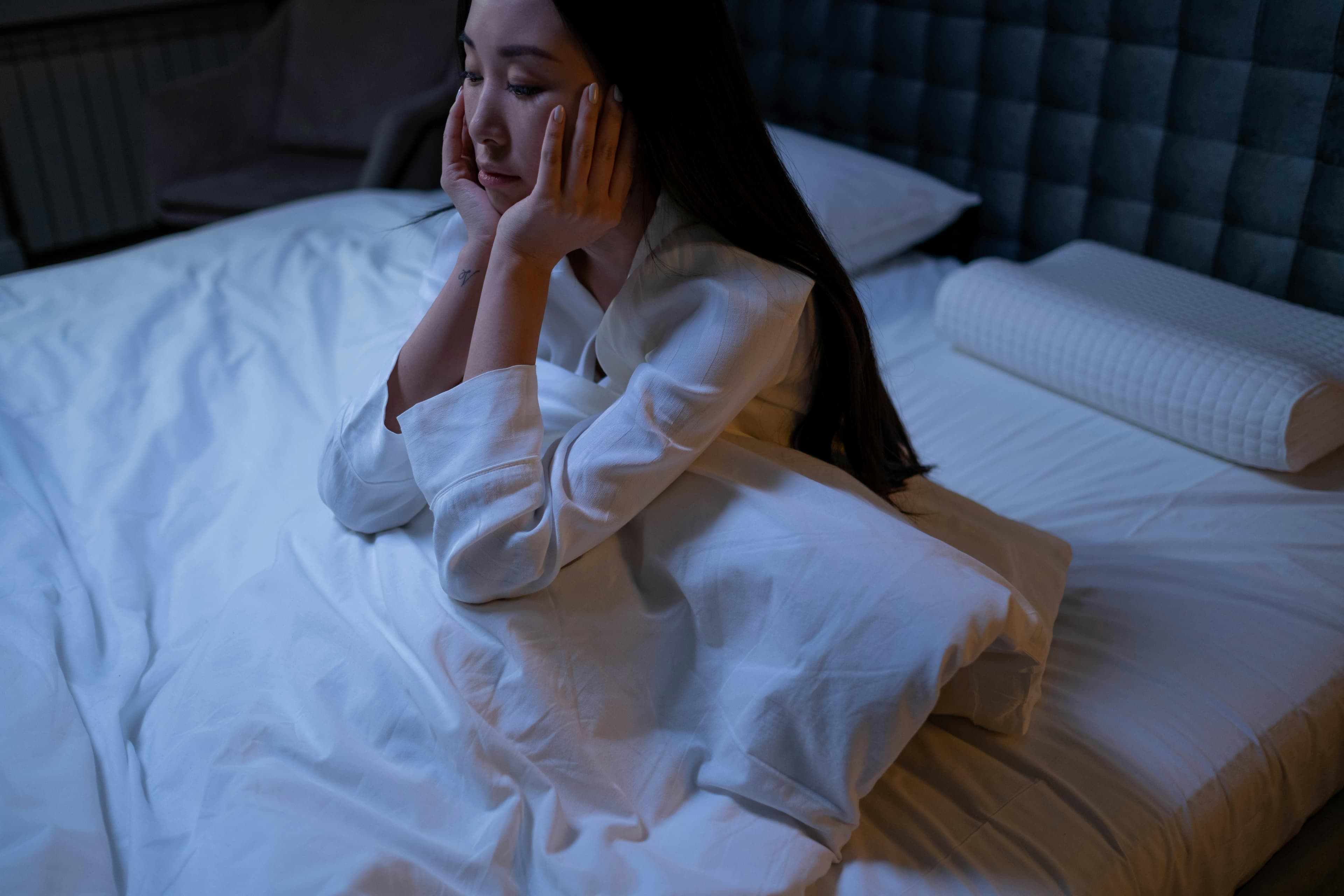
Caffeine has a half life of around five to seven hours. That means a large amount is still active long after you drink it. It blocks adenosine, the chemical that helps you wind down. When adenosine cannot do its job, the brain has trouble transitioning into restful sleep.

Why You Might Not Notice the Damage
People often think they “sleep fine” after afternoon or evening caffeine. The study shows this confidence is misleading. The objective data reveals shorter sleep even when participants said their sleep felt normal. This creates a false sense of tolerance.

Health Takeaway
If you want consistent, restorative sleep, avoid strong caffeine in the late afternoon or evening. Even if you feel unaffected, your sleep quality and total sleep time can drop without you realizing it.
Sources:
Allure: Caffeine and Sleep
ScienceDaily: Late afternoon, early evening caffeine can disrupt sleep at night
See what Brandon Luu, MD has to say about drinking coffee late in the day: