Why walking after meals helps your blood sugar
When you walk right after eating, your muscles immediately start using more glucose as fuel. This helps pull sugar out of your bloodstream and lowers the size of the usual post-meal spike.

Why walking after meals helps your blood sugar
When you walk right after eating, your muscles immediately start using more glucose as fuel. This helps pull sugar out of your bloodstream and lowers the size of the usual post-meal spike. Walking also increases your body’s sensitivity to insulin, which means glucose moves into your cells more efficiently. This keeps your blood sugar more stable after meals.
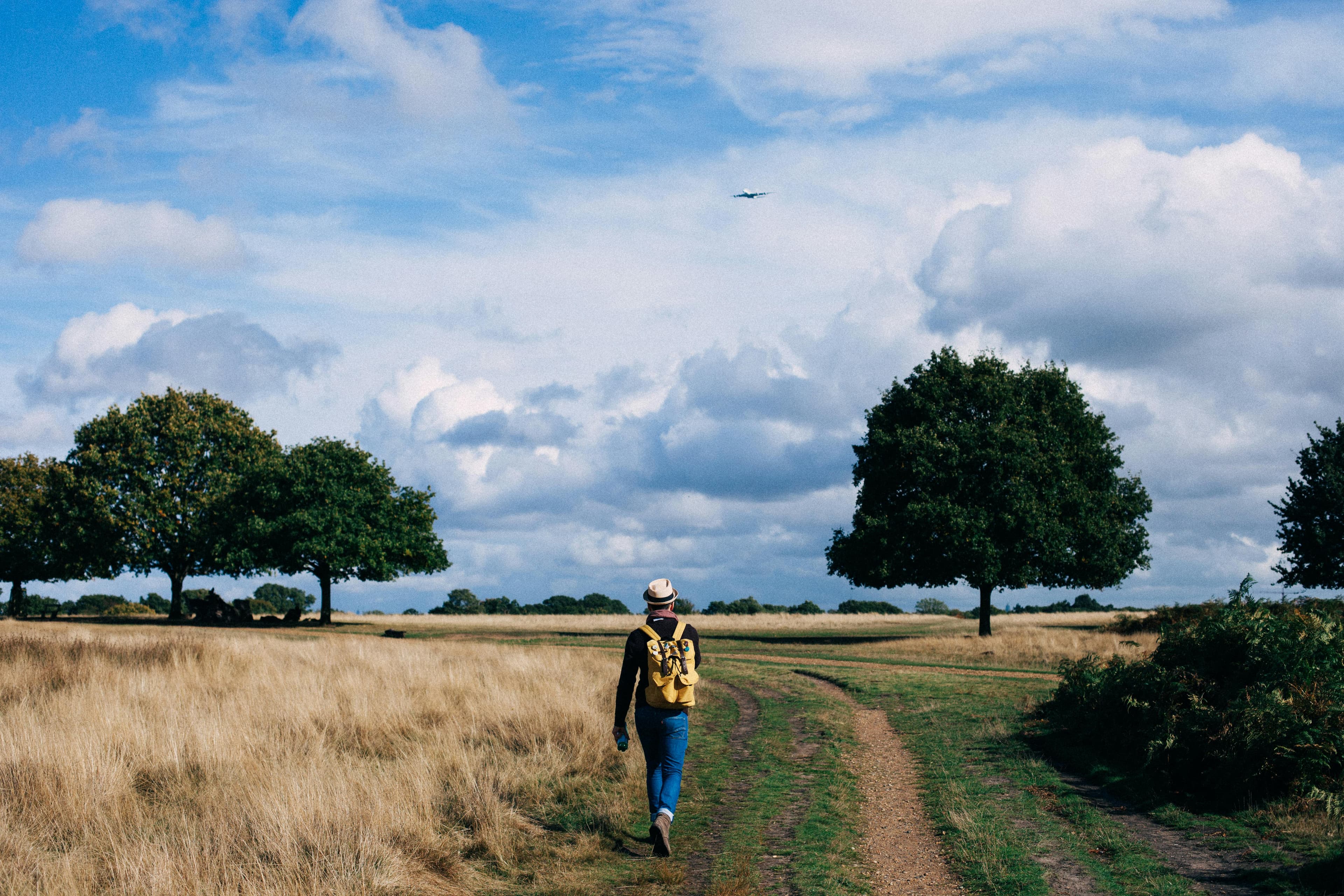
Timing and intensity
A short walk soon after eating works better than walking at another time of day. Even five to ten minutes is enough to create a measurable effect. Light to moderate intensity is ideal because it keeps digestion comfortable while still activating your muscles to use glucose.

Who benefits
People with normal blood sugar, prediabetes, or type 2 diabetes all show improvement when they walk after meals. The effect is mild but consistent, helping prevent sharp rises or drops over time. This steadying effect is valuable because long term exposure to high spikes can contribute to insulin resistance.

Additional benefits
Walking after food supports smoother digestion because movement stimulates your stomach and intestines. It can also help with blood pressure control, heart health, and weight management when done regularly.

How to apply it
After each main meal, take a gentle ten minute walk at a pace that feels natural. This small daily routine can meaningfully improve blood sugar regulation and support overall metabolic health.
Sources:
UCLA Health: Taking a walk after eating can help with blood sugar control
Healthline: Is Walking After Eating Good for You?
Check out Brandon Luu, MD’s insights on why walking after a meal is good for you: