Can Preventive Care Save You Money?
In today's fast-paced world, prioritizing preventive care is more crucial than ever. By focusing on early detection and proactive health management, individuals can not only enhance their well-being but also significantly reduce healthcare expenses.
Can Preventive Care Save You Money?
In today's fast-paced world, prioritizing preventive care is more crucial than ever. By focusing on early detection and proactive health management, individuals can not only enhance their well-being but also significantly reduce healthcare expenses.

What Is Preventive Care?
Preventive care encompasses medical services aimed at preventing illnesses or detecting them early when they're more manageable. This includes routine check-ups, screenings, immunizations, and counseling. Such measures are designed to identify potential health issues before they escalate, ensuring timely intervention and better health outcomes.
Health Benefits of Preventive Care
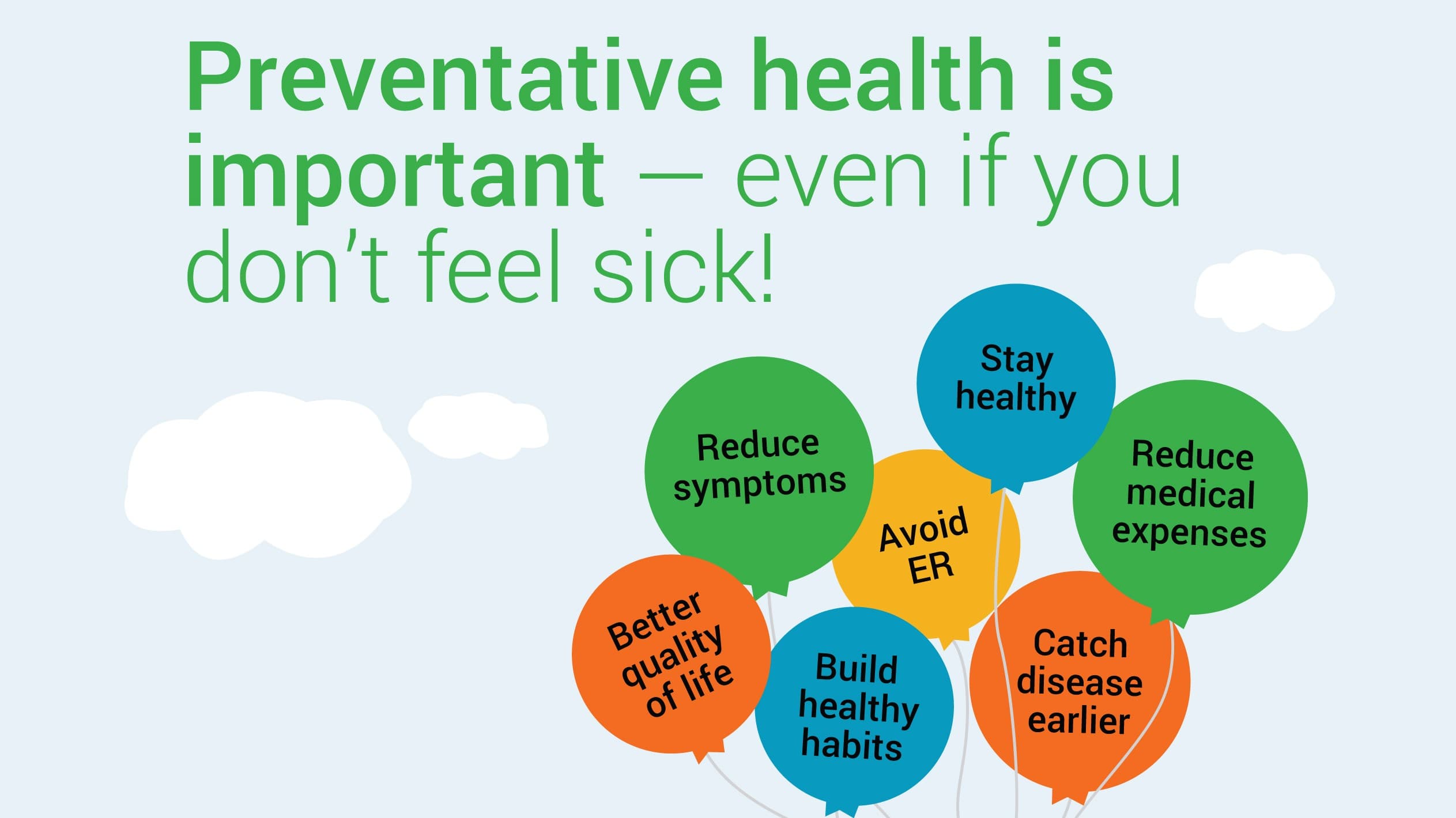
Early Detection of Diseases: Regular screenings can identify conditions like hypertension, diabetes, and certain cancers in their initial stages, allowing for more effective treatment.
Improved Quality of Life: Engaging in preventive measures can lead to a longer, healthier life by managing risk factors and preventing chronic diseases.
Reduced Hospital Admissions: By addressing health issues early, individuals can avoid complications that might require hospitalization.

How It Saves You Money
Lower Healthcare Costs: Preventive services can reduce the need for expensive treatments by catching diseases early.
Decreased Emergency Visits: Regular check-ups can prevent health crises that lead to costly emergency room visits.
Enhanced Productivity: Healthier individuals are more productive, leading to economic benefits for both employees and employers.

Embracing Preventive Care in Malaysia
In 2024, Malaysia launched a RM30 billion initiative to tackle noncommunicable diseases (NCDs) such as cardiovascular disease, diabetes, and cancer. This collaborative effort involves the Ministry of Health, WHO, and the UN Inter-Agency Task Force on NCDs.