How Children Keep Their Parent’s Brains Younger
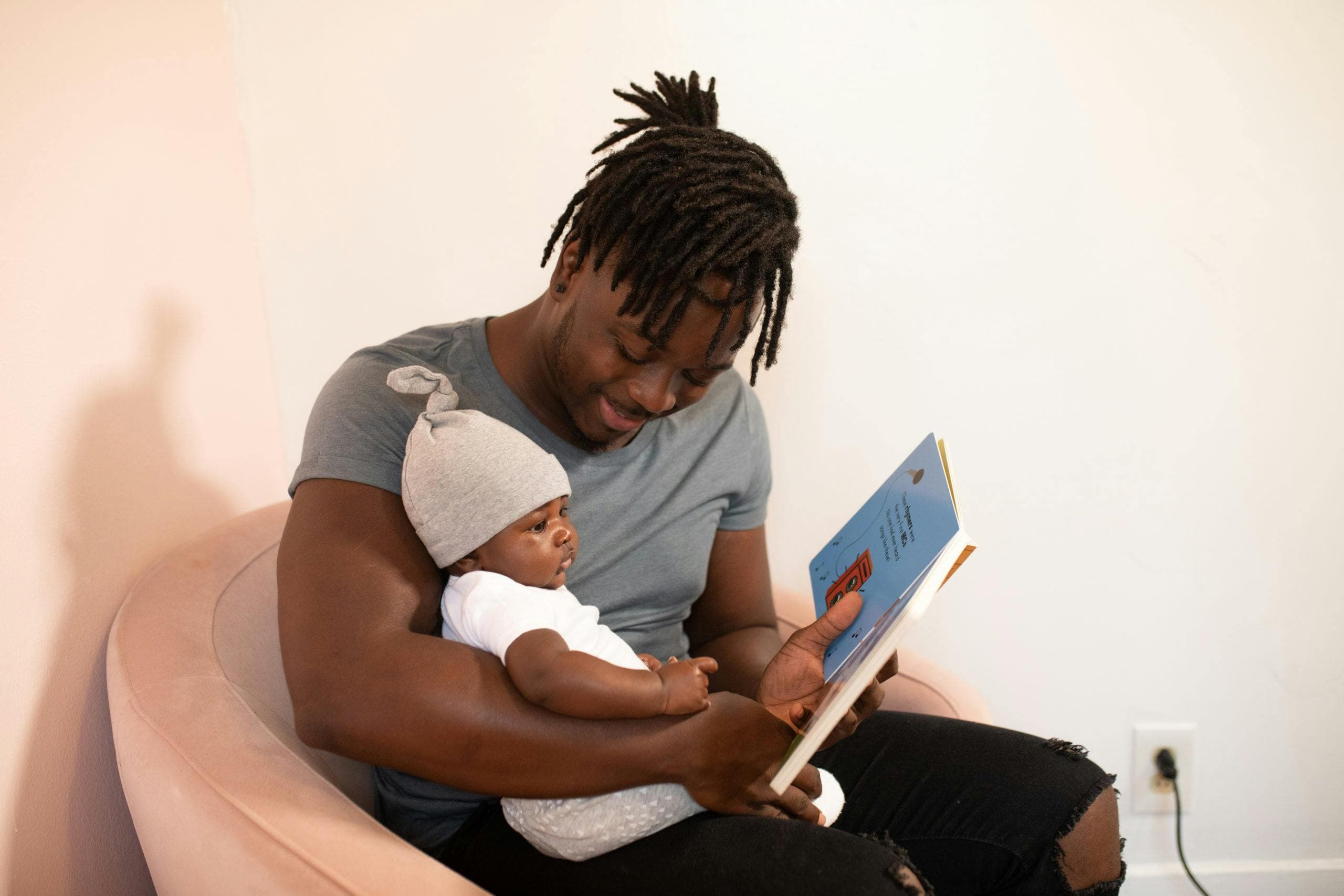
Parenthood is often viewed through a lens of sleepless nights, increased stress, and lifestyle adjustments. But the latest research is painting a surprisingly uplifting picture of how having children can positively affect the brain.

How Children Keep Their Parent’s Brains Younger
Parenthood is often viewed through a lens of sleepless nights, increased stress, and lifestyle adjustments. But the latest research is painting a surprisingly uplifting picture of how having children can positively affect the brain.
In fact, multiple studies now suggest that parenting may offer significant brain benefits for both mothers and fathers. Far from merely exhausting the mind, raising children may actually help preserve and enhance it!

Parenting and Brain Aging: What the Science Says
A joint study by Yale University and Rutgers Health examined the brain scans of nearly 37,000 UK Biobank participants to investigate the impact of parenting on brain health.
The findings were remarkable: parents showed stronger functional connectivity in various brain networks associated with movement, sensory processing, and social cognition—networks that typically deteriorate with age. Even more striking, the positive brain effects appeared to scale with the number of children.
In other words, the more children a person had, the stronger these neural connections tended to be, indicating a potential buffer against cognitive decline.

Benefits for Mothers
The term “mommy brain” is often used to describe the forgetfulness and mental fog some mothers experience during and after pregnancy. However, newer findings suggest this phenomenon is part of a larger neurological transformation that can actually sharpen certain mental faculties in the long term.
According to TIME, research indicates that a mother’s brain undergoes significant structural changes postpartum, particularly in areas related to empathy, emotional regulation, and social understanding. These changes prepare women not only for nurturing their infants but also for navigating complex social interactions more effectively.
Additionally, mothers in the PNAS study demonstrated sustained cognitive benefits well after the early parenting years. This suggests that the adaptations of motherhood are not fleeting—they may contribute to long-term brain resilience.