The Health Benefits of Magnesium
Your body needs magnesium to work properly. This essential mineral helps almost all your cells communicate and function the way they should.

The Health Benefits of Magnesium
Your body needs magnesium to work properly. This essential mineral helps almost all your cells communicate and function the way they should. Think of it as a behind-the-scenes worker that keeps many body processes running smoothly. Getting enough magnesium through your diet can make a real difference in how you feel each day.
What Magnesium Does for Your Body
Magnesium helps your body in several important ways. It gives you energy and keeps your bones strong. Your muscles need it to contract and work properly. It supports your nervous system, which includes helping you sleep better and keeping your mood balanced.
This mineral also helps your heart and blood vessels. It plays a role in maintaining healthy blood pressure. Your digestive system benefits from magnesium too, as it helps move food through your gut properly. Many people find that magnesium helps reduce anxiety, headaches, and depression. Women may notice it helps with premenstrual syndrome symptoms and eases some postmenopausal discomfort.
Magnesium helps your body turn the food you eat into usable energy. This process is essential for everything you do throughout the day.
Signs You Might Need More Magnesium
When your body does not get enough magnesium, you might feel tired or notice muscle weakness. Some people lose their appetite or feel nauseous. Headaches and constipation can also be signs of low magnesium. You might experience chest pain, numbness, tingling sensations, or muscle cramps.
Your heart rhythm can become irregular when magnesium levels drop too low. In more serious cases, people might have seizures, mood changes, or even shifts in their personality. These symptoms show just how important magnesium is for your overall health.
Getting Magnesium Through Food
The safest way to get magnesium is by eating a balanced diet. Your body needs magnesium in small amounts, which makes it a micronutrient. Many foods naturally contain this mineral, making it easy to include in your daily meals.
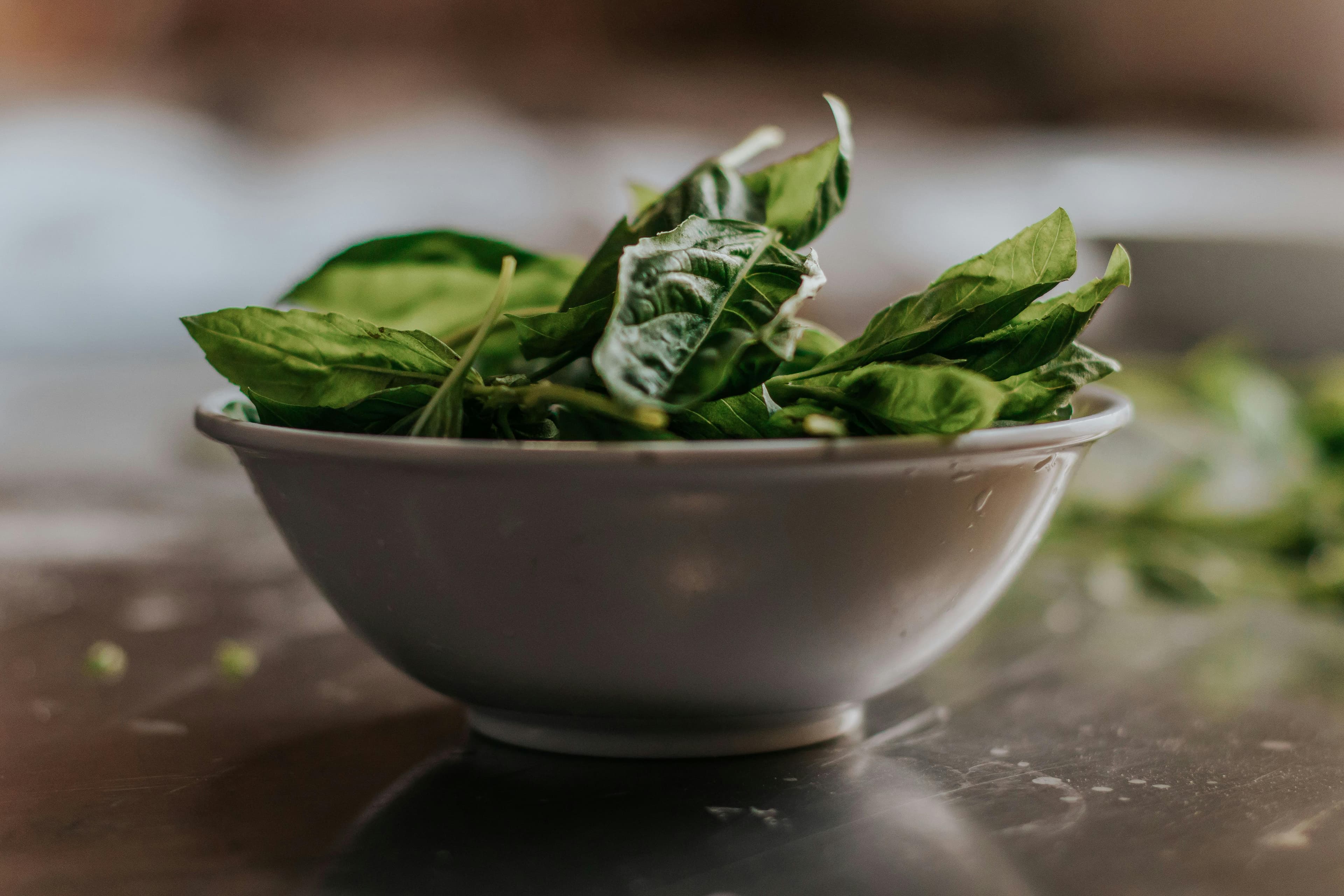
Leafy green vegetables are excellent sources. Spinach deserves special mention because one cup of cooked spinach provides about half your daily magnesium needs. Certain beans, lentils, and nuts give you magnesium too. You can also find it in dairy products, dark chocolate, and whole grains like brown rice and oatmeal. Some fruits contain magnesium, particularly bananas, blackberries, and avocados.


About Supplements
If you eat a healthy, balanced diet, you probably do not need magnesium supplements. The exception might be if you are a high performance athlete or have a medical condition that lowers your magnesium levels.
Before taking any magnesium supplement, talk with your doctor or another healthcare professional. They can guide you on whether you actually need a supplement and how much to take. The supplement industry varies in quality, and products might not always contain what they claim. Some could even have contaminants from the manufacturing process.
Taking too much magnesium can cause problems. You might develop low blood pressure or experience diarrhea. The recommended maximum is 350 to 400 milligrams per day. While some people report that magnesium helps them sleep better or reduces their anxiety, supplements should only be taken under medical guidance to ensure they are safe for you.

Plant-Based Foods Rich in Magnesium
Many plant foods contain high amounts of magnesium:
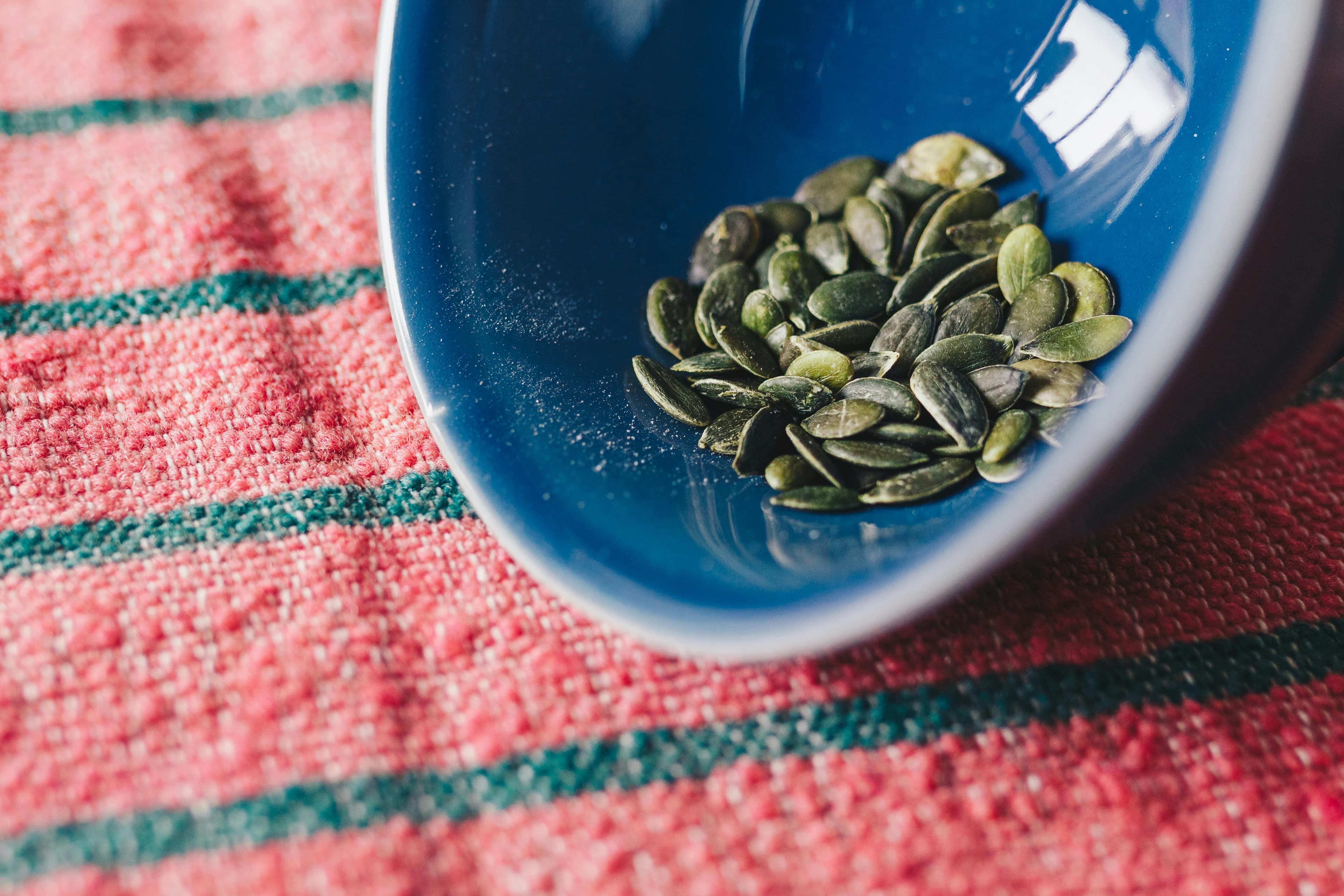
Pumpkin seeds provide about 74 mg in just 28 grams, which is roughly 25% of your daily needs
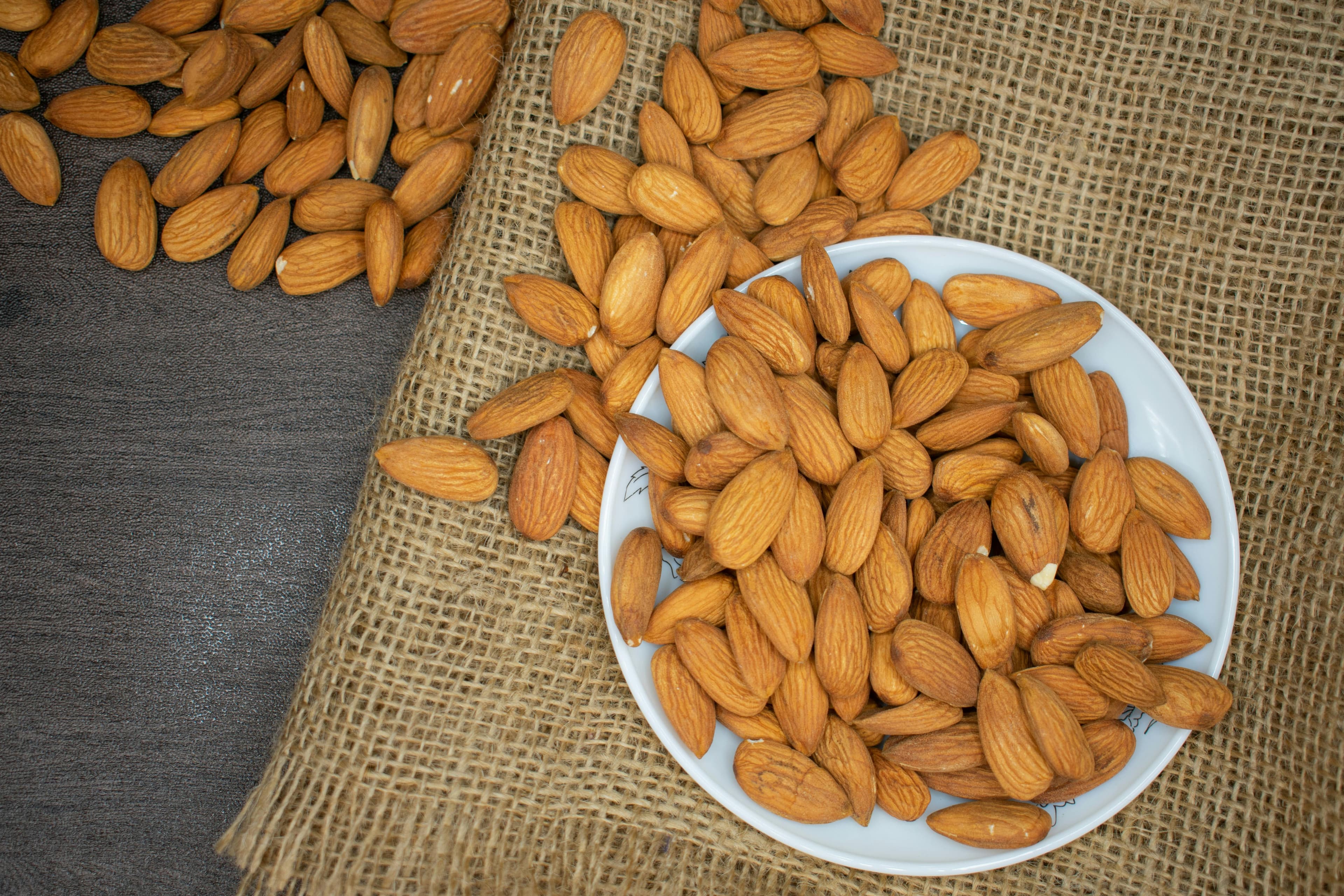
Almonds give you 18% of your daily recommended amount in a single handful
Spinach offers about 50% of your daily magnesium in one cooked cup
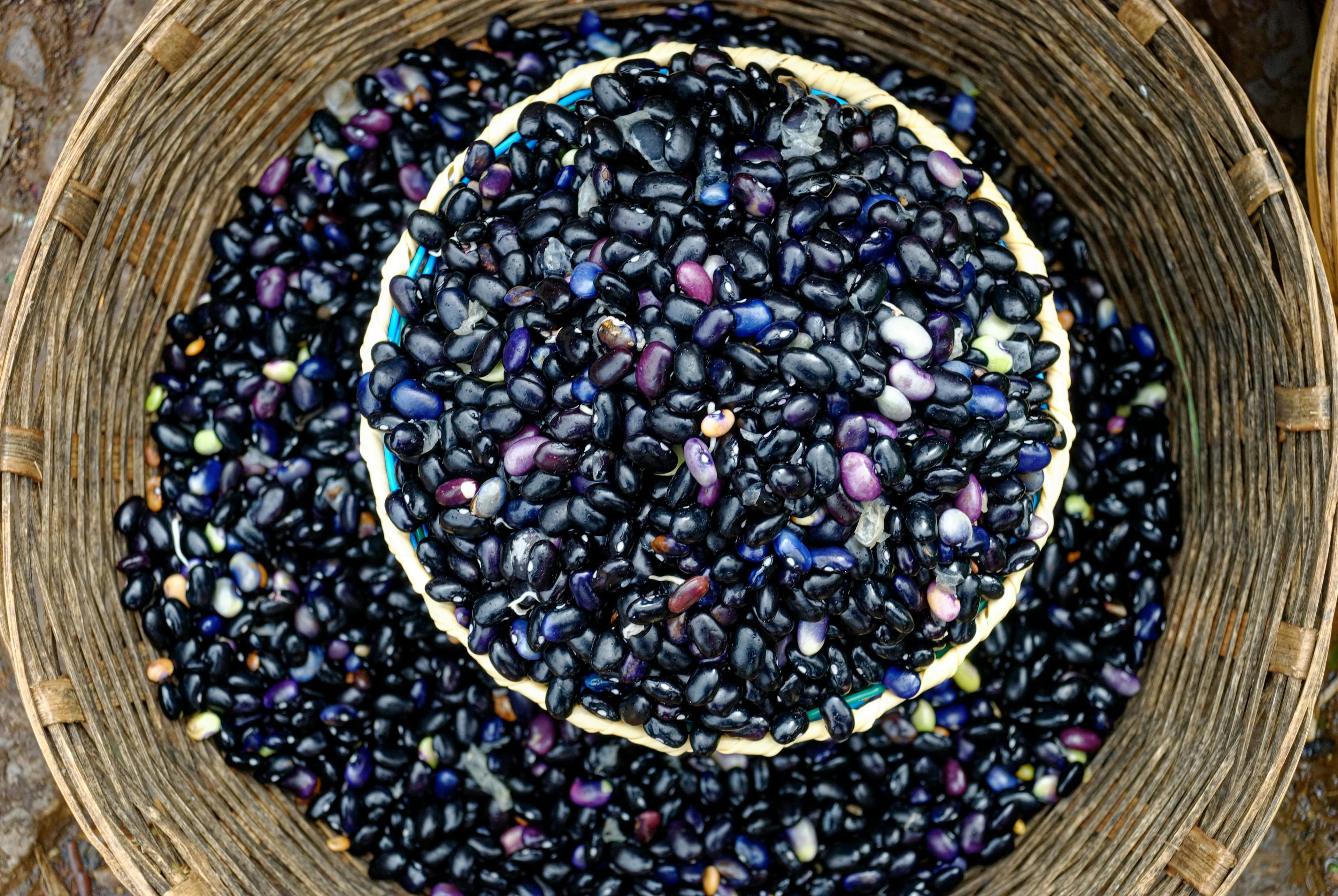
Black beans deliver around 120 mg per cooked cup, about 40% of daily needs
Edamame beans contain about 99 mg per cooked cup, roughly 33% of daily needs
Fortified breakfast cereals and soya milk can be good sources when fortified with magnesium
Baked potatoes with skin provide about 48 mg, around 12% of daily needs
Brown rice offers about 38 milligrams in a half-cup serving, roughly 12% of daily needs
These foods are versatile and easy to add to your meals. Including a variety of them in your diet helps ensure you get enough magnesium while also providing other important nutrients your body needs.
Sources:
Mount Sinai: What Are the Benefits of Magnesium?
Check out what Lori Shemek, PhD has to say about magnesium:
https://x.com/LoriShemek/status/2003463332901052788
Love great food and exclusive perks? Sign up as a Savor of Life member today and enjoy FREE FOOD with your main dish! Don't miss out—join now!
👉 Claim here: Savor of Life Membership Offer
Planning an event? Let Savor of Life bring the flavors to you! From social gatherings to large celebrations, our catering services offer delicious, high-quality meals tailored to your needs.
📅 Book now: Savor of Life Catering
Ready to transform your wellness with specially made meals? Sign up for our Savor Transform 10-Day Challenge and enjoy exclusive perks, special offers, and unforgettable meals!
👉 Join now: Savor Transform